Nebraska’s PSC: AI is only useful if robust broadband is available
Key Highlights
- High-speed broadband with ultra-low latency and symmetrical upload-download capacity is essential for AI adoption and continuous, reliable connectivity.
- Rural markets face unique challenges such as limited broadband access, high hardware costs, and labor shortages, which hinder AI's potential in agriculture and other sectors.
- Fiber-optic networks are identified as the most robust, scalable, and reliable technology to meet current and future broadband demands, especially for supporting data centers and AI applications.
- Nebraska is actively investing in fiber infrastructure through grants and mergers, emphasizing the importance of ongoing upgrades to maintain network performance amid evolving AI requirements.
- State initiatives like the Nebraska Broadband Bridge Program and federal funds are expanding broadband access to underserved areas, ensuring equitable AI and internet service for all citizens.
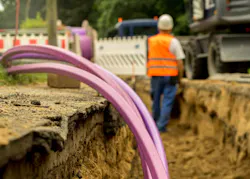

Given the bandwidth demands for AI, the need for high-speed bandwidth capabilities has never been more pressing.
Unlike traditional video and data traffic that relied on high download speeds, AI fundamentally shifts broadband requirements to ultra-low latency, continuous 24/7 reliability, and symmetrical upload-download capacity.
Dan Watermeier, Nebraska Public Service Commission, 1st District, testified during the recent Intelligent Networks: Powering Artificial Intelligence and Transforming Communications hearing that high-speed broadband access will be the vehicle needed for citizens to interact with AI regularly.
“As adoption of – and reliance on – AI technology increases, it will become even more important to ensure that all Americans have access to reliable, high-speed broadband networks,” he said.
But he added that the real need is going to be in rural markets. For several decades, rural markets have been underserved, and in other cases, unserved by broadband operators.
“We need to ensure that rural Americans are not left behind as this technology moves forward,” Watermeier said. “For the average citizen, AI technology is only useful if they have access to broadband connectivity. We must continue funding rural buildout, or this technology won’t be available for all who need it.”
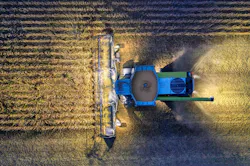
Nebraska farmers find AI utility
Nebraska is writing its own AI story with the state’s farming community increasingly leveraging AI to manage their crops and production processes.
A growing group of the state’s farmers is using Precision Agriculture tools to boost crop productivity, cut down chemical waste, and manage water resources efficiently.
Farmers, according to a recent Nebraska News Service article, are using AI for key applications like precision irrigation, satellite monitoring and crop disease prediction.
One example of how farmers are leveraging AI is the advent of AI Smart Sprayers. By adopting self-propelled sprayers outfitted with intelligent cameras, these AI Smart Sprayers can detect and spray weeds in real time, reducing chemical waste.
However compelling these applications are, Nebraska’s farmers face three key challenges: available rural broadband connectivity, high costs and labor shortages.
With only about 45% of the state’s citizens saying they have a reliable broadband connection, this puts a strain on how much real-time data can be transferred in remote fields. Farmers also have to navigate expensive hardware upgrades and a shortage of technicians trained in data analysis.
“Precision agriculture tools are fantastic ways to conserve water, monitor livestock health, and target application of fertilizers and pesticides, saving our farmers money and protecting the environment at the same time,” Watermeier said. “These AI-powered tools are the future of agriculture. But we need reliable, universally available broadband to use them.”