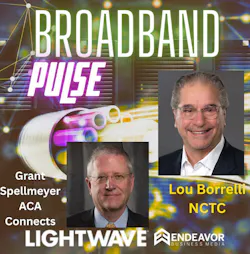
PODCAST: ACA Connects, NCTC on independent cable operators’ striving for innovation and service consistency




Independent cable operators and telcos, while the backbone of rural and secondary markets, often get overlooked. But what they lack in size and reach, they make up for with a similar dedication to service and innovation. Like the Tier 1 operators, independent providers are moving fast, not only enhancing their networks with fiber to offer higher-speed broadband, but are also looking to provide standalone wireless service, converged services, and making use of AI to better the service experience.
NCTC, on its website, sums up the mission of the independent operator best: “Whether that’s launching new services, managing customer expectations or elevating our offerings, we strive to meet or exceed the big guys.”
No less important are the policy and regulatory issues that all providers are facing today. Given their dedication to expanding broadband into unserved and underserved areas, a chief policy concern for ACA Connects’ members is permitting reform, which will enable its members to deploy broadband faster. ACA is also closely watching programming regulations as well as the BEAD broadband funding program.
In this episode, we talked with two key cable industry veterans about emerging trends--Lou Borrelli, CEO of NCTC and Grant Spellmeyer, president and CEO of ACA Connects.
For further perspective on ACA and NCTC, you can also listen to an earlier podcast we did with Borrelli and Spellmeyer.
Here's a timeline of the interview's key moments:
Opening | 0:00
Host's introduction of guests | 0:03
Independent cable operators' evolution | 0:54
Borrelli addresses how all cable operators face similar competition, supply chain and service delivery issues.
The regulatory outlook | 2:21
Spellmeyer outlines how ACA Connects is helping its members overcome regulatory obstacles so they can deepen broadband in rural areas.
AI’s role in broadband
Borrelli discusses the NCTC’s creation of its new AI center through its partnership with Ernst & Young. | 3:16
Spellmeyer addresses how Congressional actions could affect the broadband industry and the overall economy. | 5:32
State of competition | 6:41
Borrelli cites NCTC Mobile initiative, which allows independent broadband and cable operators to launch white-labeled 4G LTE and 5G mobile services without building their own wireless networks. | 7:15
Spellmeyer cites how delays in securing permits from federal, state and local government have held up new broadband deployments as well as new rules for the BEAD program. | 10:25
Highlights of the summer 2026 Independent Show | 12:38
Borrelli talks about the show’s imagination meets innovation theme and some of the keynote speakers, including Noel Russell, FCC’s Olivia Trusty and Cable One's new CEO Jim Holanda | 13:14
Spellmeyer highlights that besides the policy and technology discussions, the value of the show is the interaction between attendees. | 17:05
Final thoughts/Closing | 20:03
Lou Borrelli, CEO of NCTC, and Grant Spellmeyer, president and CEO of ACA Connects, provide their final thoughts.
Meet our guests:
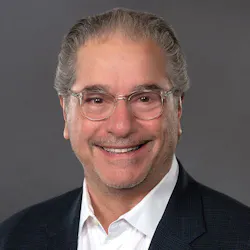
Lou Borelli, CEO of NCTC
A 40-plus-year cable television industry veteran, Lou Borrelli was named NCTC’s CEO in 2021. Before joining NCTC, Borrelli served as the CEO of Home and Entertainment for Digicel Group, which provides mobile phone, cable, and broadband services to 27 countries in the Caribbean, Central, and South America. He was responsible for cable and broadband strategy, policy, operations, content strategy and distribution rights for Digicel's sports and entertainment networks. Having owned and operated cable systems in second and third-tier markets, Borrelli has plenty of experience in the independent cable industry segment with an extensive understanding of the challenges facing operators of all sizes in today's competitive landscape. A founding partner of Marcus Cable, Borrelli and his colleagues were recognized as Cable Operator of the Year in 1998, and he was inducted into the Cable Pioneers in 2002.
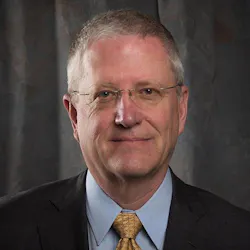
Grant Spellmeyer, president and CEO of ACA Connects
Grant Spellmeyer oversees the daily operations and affairs of America's Communications Association (ACA Connects). Grant joined ACAC in 2022. Before coming to ACAC, he was VP of government affairs for US Cellular, where his primary duties included directing the federal and state legislative and regulatory efforts across the company’s 21-state operating territory on all policy matters. He joined U.S. Cellular in 2006 from ACA Connects Member company TDS Telecommunications. As part of the TDS enterprise, Grant served in a variety of wireless and wireline legal and regulatory roles for more than 20 years. Before that, Grant was an attorney in private practice in Madison, Wisconsin. Spellmeyer is a 1988 graduate of the University of Wisconsin-Madison. In addition, he holds an M.A. in public policy from the University of Wisconsin-Madison and is a graduate of the University of Wisconsin Law School. He also has an MBA from Northwestern University.
About the Podcast
In the Lightwave Broadband Pulse podcast, we address the key issues affecting the optical and broadband industry segments. Join us every week for insights from industry leaders on these topics. Visit our website at www.lightwave.com and click on our podcast site at www.broadbandpulse.podbean.com.
About the Author
 Sean Buckley
Sean Buckley
Sean is the Editor-in-Chief of Lightwave. He establishes and executes Lightwave's editorial strategy across its website, email newsletters, events, and other information products. Before coming to Lightwave in July 2023, he served as editor of Broadband Communities. Earlier, he served as senior editor of FierceTelecom and the editor of the former Telecommunications Magazine. He got his start in the optical industry in 1998 when he became the editor of enterprise and optical networks at Information Gatekeepers. He has a BA in English from the University of Massachusetts, Boston, and lives in Dracut, Mass, with his wife, two sons, and his cat, Dove.